Clinical Impacts
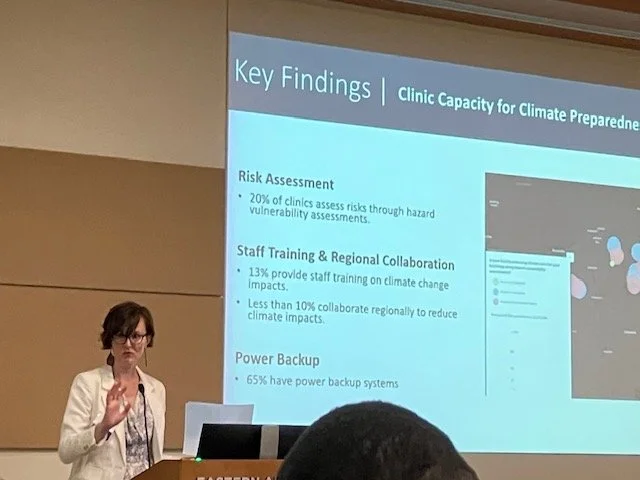
Climate change is increasing the frequency and severity of many health risks. These resources highlight the impacts of extreme heat, air pollution, infectious disease, and mental health.
Learn the Basics:
While much of the discourse surrounding climate change rightly emphasizes the importance of reducing carbon emissions, greater attention should also be given to strengthening the public health response. Regardless of the mitigation strategies implemented, the health impacts of climate change are inevitable to some extent. However, with proactive planning and preparedness, we can significantly reduce their severity and protect vulnerable populations.
Public Health Solutions to Climate Change Problems
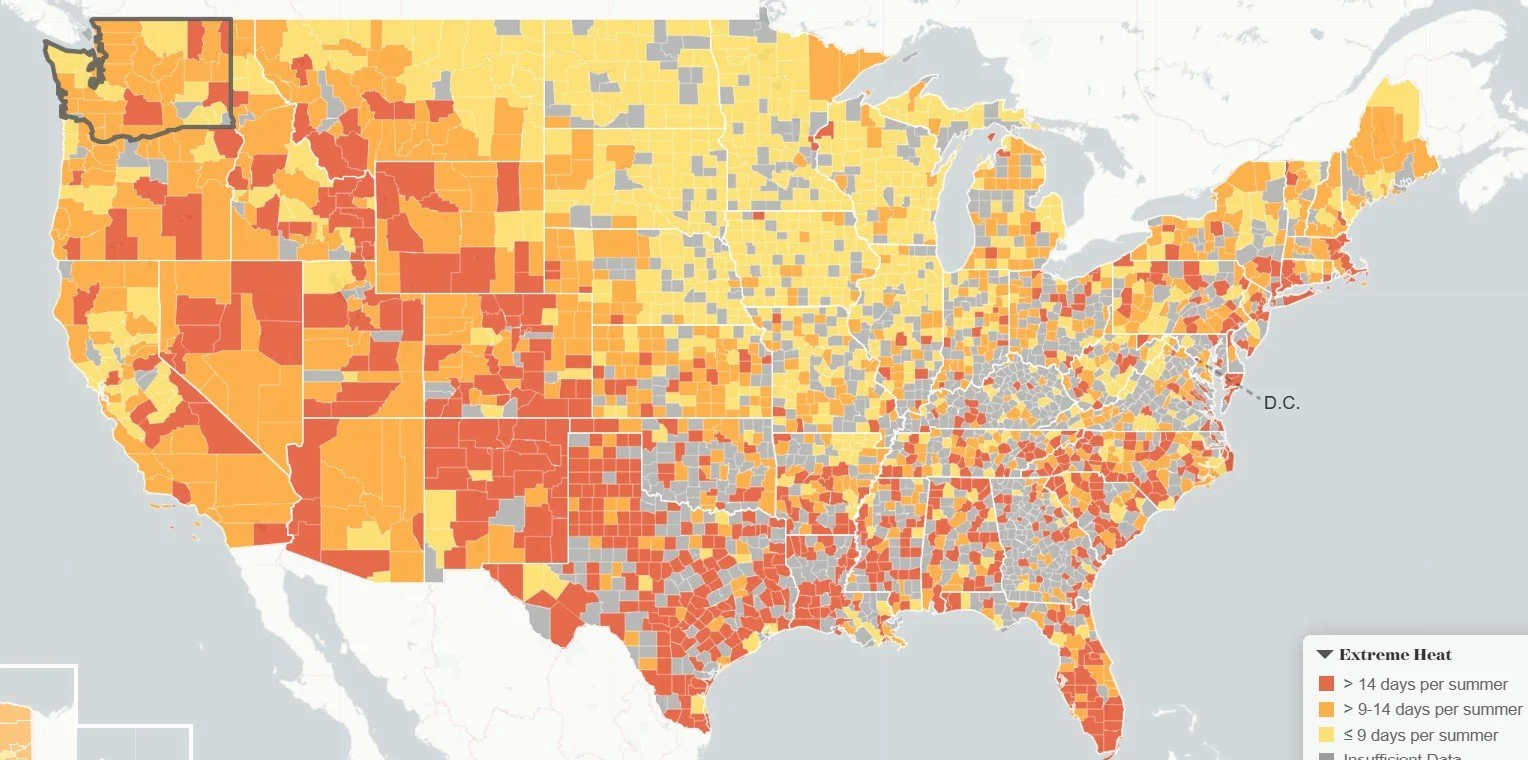
The interactive map explores how climate change threatens our health in the most direct way possible—through global warming and the increased frequency of extremely hot summer days. Analyzing data from temperature sensors all across the country, we found that nearly 210 million Americans—or two-thirds of the population—are threatened by exposure to more frequent days of extreme heat than they were just a few decades ago, during the period from 1961 to 19901.
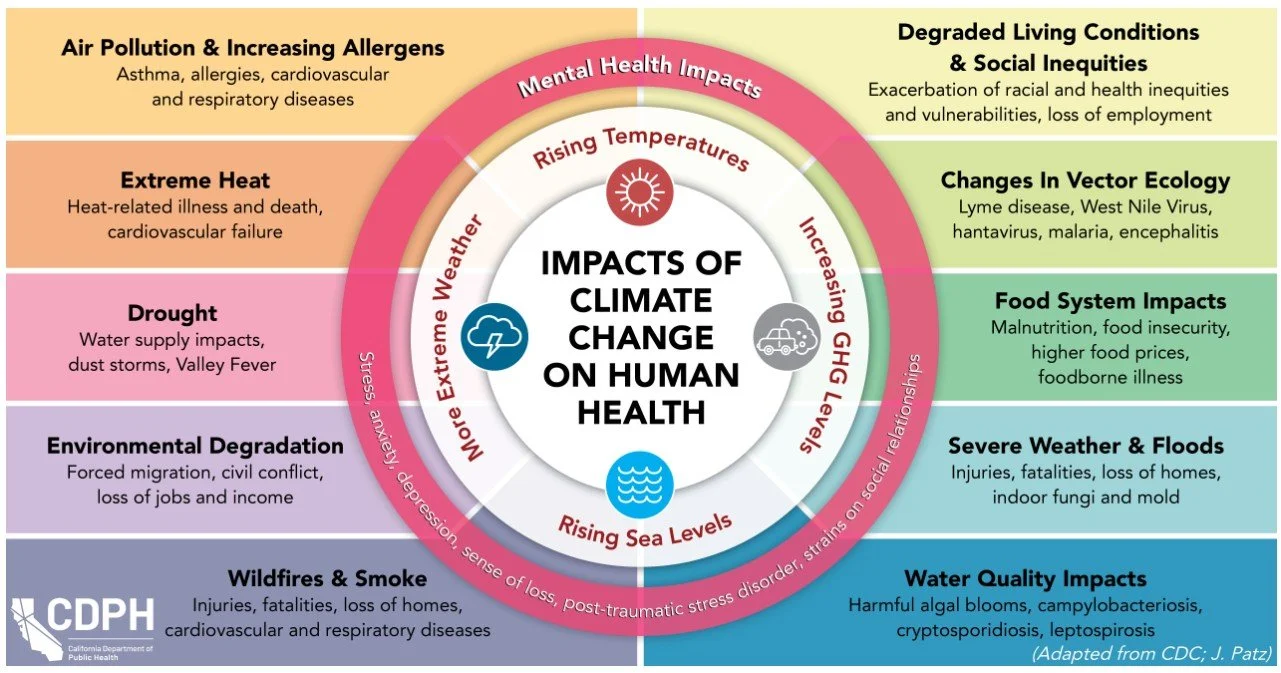
In the United States, public health can be affected by disruptions of physical, biological, and ecological systems, including disturbances originating here and elsewhere. The health effects of these disruptions include increased respiratory and cardiovascular disease, injuries and premature deaths related to extreme weather events, changes in the prevalence and geographical distribution of food- and water-borne illnesses and other infectious diseases, and threats to mental health.
More Resources: