Lessons from Helene: How NC Health Systems Can Be More Resilient and Prepared for Adverse Climate Events
The views expressed in this post are those of the author and not necessarily of CACHE leadership and its members.
When we think about health care systems and climate, we often (rightly) focus on mitigating the carbon emissions and waste generated by their facilities and clinical operations. However, we must also consider how a health system should prepare for and respond to climate-related threats that might disrupt its ability to provide uninterrupted patient care. Climate change is resulting in an increased frequency and severity of weather-related problems, with risks not only to our patients, but to our workplaces as well. The importance of this was dramatically demonstrated when Hurricane Helene struck western North Carolina in September 2024.
Hurricane Helene
Hurricane Helene brought flooding, high winds and mudslides to western NC, with severe damage to many communities, including their hospitals, clinics, and long term care facilities. Many lost power, water, communications, and staff, all of which made it difficult for them to manage the surge of patients needing care. Information systems, transportation networks, and supply chains were disrupted and persisted for weeks and months after the storm. Even now, a year and a half later, the long-term impacts linger.
I’m not sure that all of these problems could have been prevented given the magnitude of Helene. Nevertheless, there are many things health systems should be considering to mitigate against future weather related risks, be they from flooding and storms, extreme heat or cold, wildfires, or drought.
What can health systems do to mitigate the risks of extreme climate events?
One way to assess climate risks and develop a climate adaptation plan is to use the BRACE (Building Resilience Against Climate Effects)framework developed by the Center for Disease Control & Prevention. This framework provides a guide for identifying who and what is most at risk from hazards, evaluating why they are at risk, and determining the best strategies to cope with and adapt to them. These risks will vary depending on many variables including: a system’s geography, the age of buildings and infrastructure, available financial resources, supply chain capabilities, local regulations, and the demographics and economic status of the population it serves. This process is often referred to as a Vulnerability & Adaptation Assessment (V&A).
Once all risk factors are identified, health systems leaders can then prioritize the most suitable health interventions for their facilities. These might include any or all of the following:
Structural flood-proofing, upgrading cooling/heating systems, and securing backup power supplies.
Stockpiling critical medications and supplies, and establishing redundant logistics chains to manage disruptions.
Implementing real-time data tools (e.g., the National Weather Service HeatRisk tool) to anticipate surge demands for conditions like heat stroke or respiratory issues.
Educating healthcare professionals and other employees on climate-related risks and managing surge capacity.
Collaborating with local, state, and regional emergency management systems to coordinate evacuations, staffing, and resources during and following climate disasters.
Incorporating climate-related issues into existing emergency preparedness frameworks and operational guidelines.
Allocating dedicated funding for climate adaptation and health system improvements.
What can individuals do?
One way healthcare workers could contribute to their health system’s preparedness and response would be to join the NC State Medical Response System (ESF-8). The ESF-8 System includes six coalitions across the State that provide medical staffing and logistical support for disasters or catastrophic events affecting NC. I volunteer with the Central Carolina Emergency Preparedness Coalition, which is based at Duke Health and includes Vance, Granville, Person, Caswell, Durham, Robeson, and Wake counties. We train to respond to mass casualties, chemical spills, explosions, terrorist attacks, or extreme weather events– basically any declared emergency that overwhelms the local capacity to manage it. However, every time we’ve deployed has been in response to a flood or hurricane. Following Hurricane Helene, our team supported a medical support shelter in Shelby, NC for 3 weeks. Volunteers of all kinds are welcome!
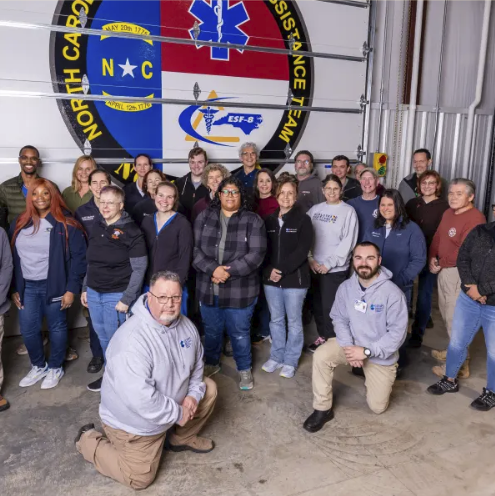
Figure 1. Photo of the State Emergency Response Team, many of which were deployed to support critical medical operations across North Carolina in response to Hurricane Helene (from the Central Carolina Healthcare Preparedness Coalition)
For more information …
For the complete Building Resilience Against Climate Effects (BRACE) Framework go to: Centers for Disease Control and Prevention (CDC).
For more about how to do a vulnerability and adaptation assessment see: Toolkit on climate change and health - Vulnerability and adaptation assessments or Assessing Health Vulnerability to Climate Change | CDC
If you would like to learn more about NC’s Healthcare Preparedness Program and the State Medical Response System, or are interested in volunteering, visit: https://hpp.nc.gov/ or https://centralcarolinahpc.org/